Eskom increases have compounded at 11.4% a year since 2011/12. What that does to a three-year budget, and how to fix the price of your daytime power.
For an energy-intensive business in South Africa, electricity is hard to budget for. NERSA-approved Eskom increases compounded at an average of 11.4% a year from 2011/12 to 2025/26, and increases of 8.76% for 2026/27 and 8.83% for 2027/28 are already approved.
At 11.4% a year, an electrical bill can double in just over six years. For a factory where power is a primary input, this raises a direct threat to the bottom line, and absorbing it or passing it on to customers is not a competitive solution.
Many businesses hold back on solar because they look at the build price. The better measure is the levelised cost of energy: the total cost to build and run the plant over its life, divided by every unit it produces. It gives you a real price per kWh for twenty years or more.
With financed or lease-to-own solar, your escalation is pegged so you can plan long-term without being at the mercy of Eskom’s shifting price economics.
A grid-tied solar plant takes a large share of your daytime units off the grid at a price that remains consistent. That gives you a lower blended rate that you can budget for.
On lease-to-own there is no build price to fund.
Sources: NERSA, Eskom retail tariffs 2026/27; Eskom Tariff Book 2026/27.
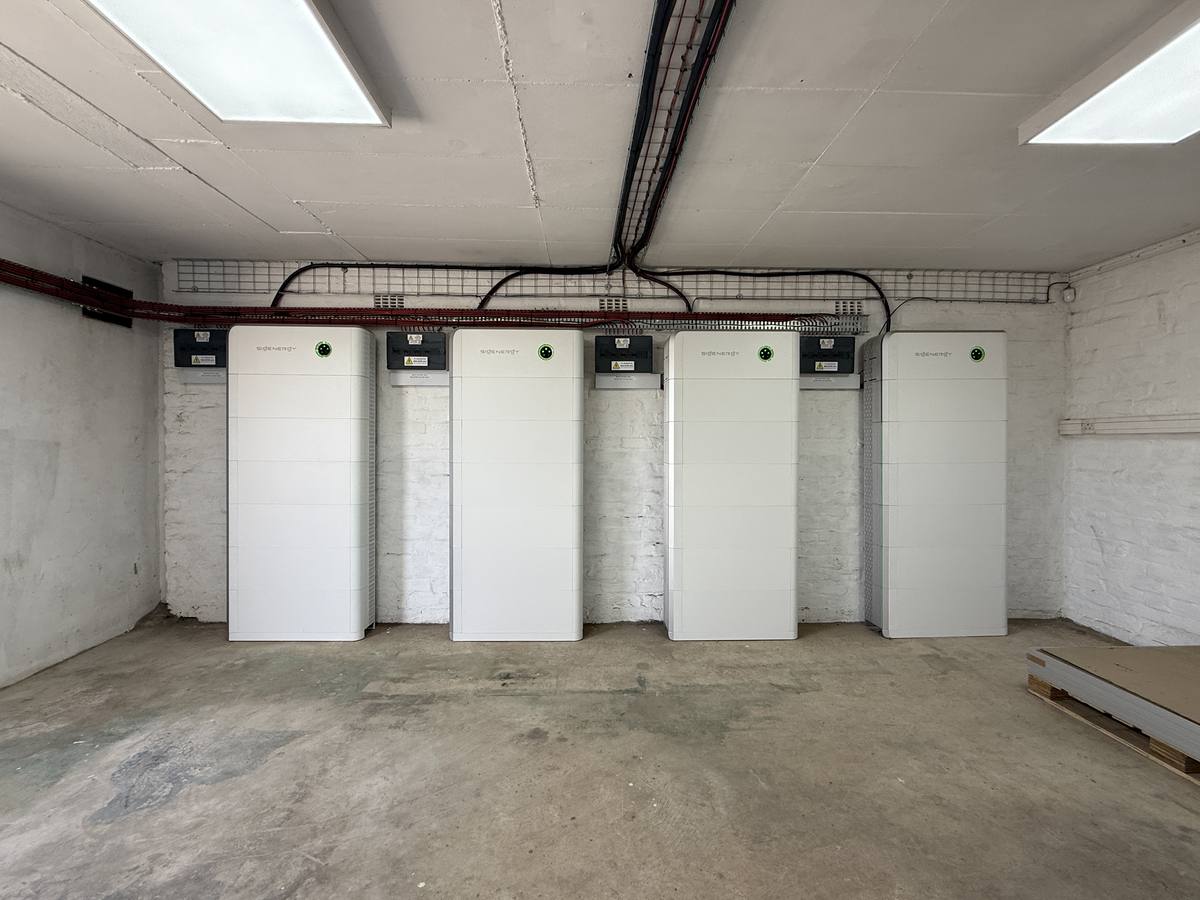
A battery bought for load-shedding sits idle most of the time. Put it to work on the demand charge and the time-of-use tariff and it earns every weekday.
Read
Generate where the sun and the land are cheapest, and credit the power against the bills of sites that have no roof to spare.
Read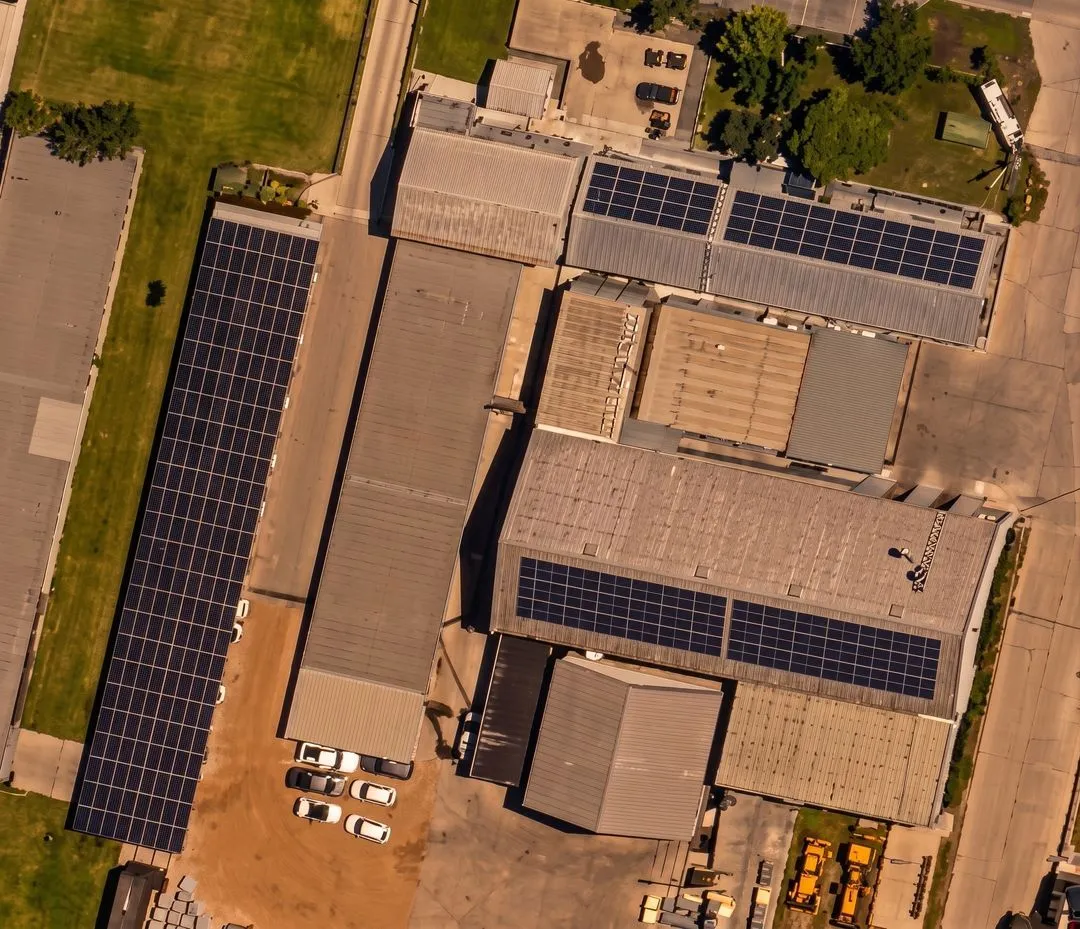
See if your site qualifies in a few minutes.
