Generate where the sun and the land are cheapest, and credit the power against the bills of sites that have no roof to spare.
Many South African businesses want solar to cut cost and steady their supply, but their sites are the wrong places to put it: stores in malls with no roof rights, factories on shaded or crowded plots, operations spread across several municipalities.
Virtual wheeling lets a business generate power in one place and use it somewhere else.
A solar plant is built where the sun and the land are cheapest, and feeds its power into the grid. Eskom or the municipality meters what goes in and credits the business’s accounts at its offices or factories elsewhere. No electrons travel from A to B; it is a reconciliation, and the utility bill becomes the ledger.
The idea is simple; the execution is not. It needs three things done properly.
For a business with many branches or depots, wheeling turns a scattered energy problem into one plant and one contract. It hedges against tariff increases across the whole footprint without putting a panel on a single branch roof.
Regulation is still opening up, and every wheeling project starts with a feasibility check on the specific accounts and municipalities involved.
Imvelo assesses wheeling feasibility case by case. It is not part of the lease-to-own offer.
Eskom increases have compounded every year since 2011/12. What that does to a three-year budget, and how to fix the price of your daytime power.
Read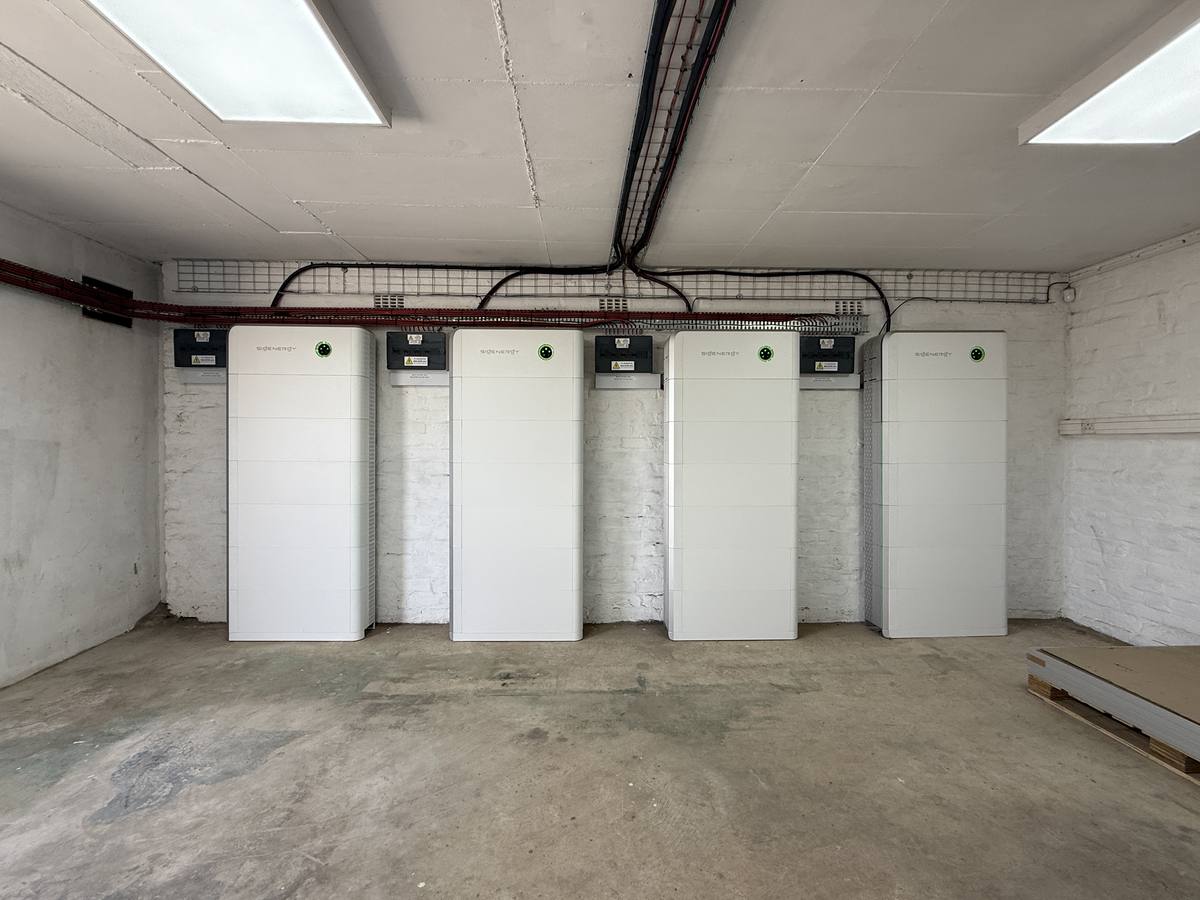
A battery bought for load-shedding sits idle most of the time. Put it to work on the demand charge and the time-of-use tariff and it earns every weekday.
Read
See if your site qualifies in a few minutes.
